
News
28/08/2024
Should we be afraid of preservatives and flavor enhancers in products
Preservatives, stabilizers, emulsifiers, flavor enhancers, flavorings, dyes are substances that can often be found in many products from supermarkets - bread, yogurts, canned goods, meat and fish products, sauces, sweet carbonated drinks. We understand whether all of them are really harmful and whether they should be avoided.
Should we be afraid of "chemistry" in products?
There is an opinion that everything natural is useful and healthy, and the so-called "chemistry" is harmful. In fact, it is not quite so. Natural is not always synonymous with healthy. For example, honey is a natural product, but it contains a lot of sugar. In terms of its effect on our body, it is almost no different from white sugar. Salt is also a very natural product, but if you eat a lot of it, it will have a negative effect on your health.
The so-called "chemistry" often performs an important function in products, it all depends on the amount and for what purpose these substances are used. Usually by this word we mean substances that are added to products so that they do not spoil (preservatives), have a certain consistency (stabilizers and emulsifiers), have a better appearance (dyes) and a brighter taste (flavors, flavor enhancers).
The World Health Organization recommends consuming no more than 50 g of sugar per day or up to 10% of the total number of calories consumed.
How dangerous are flavor enhancers and flavorings?
It should be understood that these substances are not always artificial and are even very natural. For example, the same sugar is often included in unsweetened foods, such as sauces and ketchups, because it is a natural flavor enhancer. Salt also performs this function. The danger lies in the fact that we may not even notice how much salt and sugar we consume in a day, if, for example, we regularly eat with sauces.
Often people are afraid of monosodium glutamate in foods (found in chips, instant vermicelli , soy sauce, etc.). But in the amount in which it is used, in accordance with international and state norms, it does not harm the body. Of course, if you do not insist too much on products with its content.

The biggest danger of all flavor enhancers is that they disrupt eating behavior. That is, we start eating not because we are hungry, but because the food has a bright taste, stimulates the receptors and brings pleasure.
Our receptors get used to the pronounced taste and simple food begins to seem tasteless. For example, if a person often eats chips or smoked meat, then vegetables, boiled porridge or chicken fillet become tasteless to him. As a result, instead of healthy food, a person consumes foods that are poor in important nutrients, and in the end, this is what harms health. And here we can find ourselves in a situation where we overeat for calories, and on the contrary, we starve for necessary nutrients, for example, vitamins and trace elements.
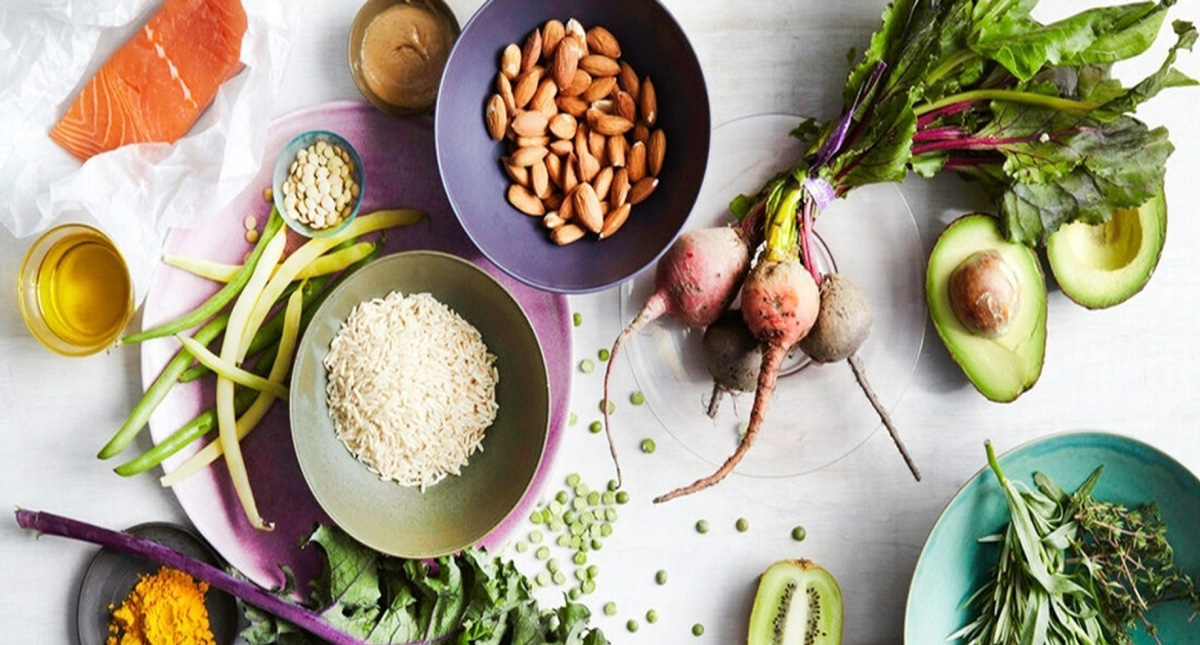
- Products are rich in important nutrients
- Vitamins and trace elements
- Fats, proteins, carbohydrates, fiber
- Omega-3 polyunsaturated acids
- Iodized salt, iron, zinc and calcium.
What to focus on when choosing products and should emulsifiers and stabilizers be avoided?
Preservatives are used so that products can be stored, do not spoil and do not lead to food poisoning. For example, in order for anchovies to last a long time and not spoil, they must contain either sodium benzoate or a huge amount of salt. But in the second case, it is also not very good, especially for people with hypertension.
Some preservatives are even useful, for example, lactic acid. When we pickle cucumbers, lactic acid bacteria multiply in them, producing lactic acid, which is a natural, beneficial preservative. There is also salt, but it does not perform a preservative function, so there is not much of it in pickles. At the same time, not all natural preservatives are equally useful. For example, the same cucumbers can be not only fermented, but also salted or poured with vinegar. All three methods are natural, but fermentation itself will be beneficial.
Also, a lot can depend on the manufacturer and the place where you make the purchase. For example, some supermarkets have additional measures to control the quality of goods from their suppliers, accordingly, the risk of buying a low-quality or completely falsified product is much lower than, for example, in the bazaar. Also, for many types of products, the storage conditions of the product are critical - temperature, humidity, etc.
Of course, you should not abuse various processed products, which contain not always desirable substances and have few useful nutrients. Eating sausage and chips every day, drinking sugary water and not eating enough vegetables, for example, will really harm your health. But not so much because of preservatives, as because of an unbalanced diet.